
Tbilisi (GBC) – The Georgian National Energy and Water Regulatory Commission will approve revised electricity tariffs at its meeting on Monday. The decision will affect both the residential and non-residential sectors in Tbilisi and the regions.
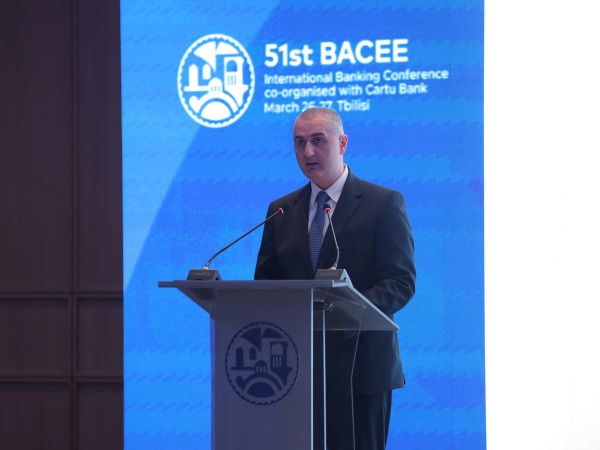
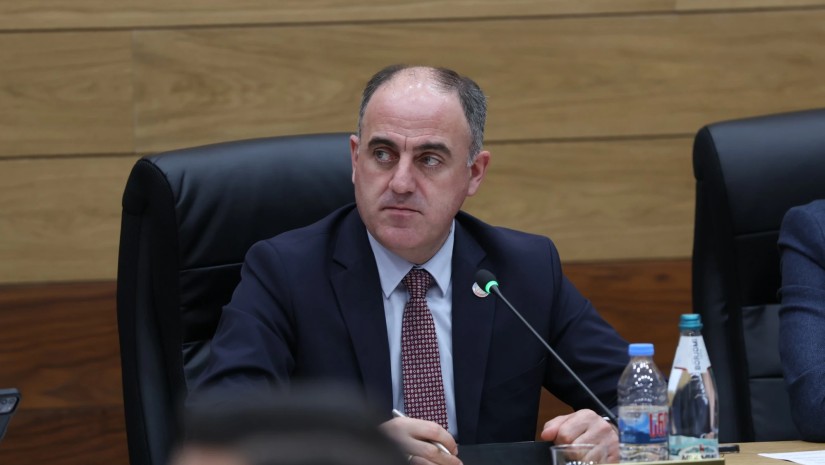
Before the meeting, Commission Chairman David Narmania explained the main components that influenced the tariff formation. According to him, one of the regulator’s main priorities is to minimize the number of accidents and power outages in the regions.
According to Narmania, several important circumstances were taken into account when calculating the tariff:
Investment component: In order to regulate the network in the regions, it is necessary to continue investment projects (in particular, by the company "Energo-Pro"), however, according to Narmania, it is important that these investments do not have a "significant impact" on the tariff.
Dependence on imports: Electricity consumption in the country is constantly growing, which increases dependence on expensive imports. This directly affects the cost of energy.
Energy balance: The commission specified the volumes of energy to be generated by generation facilities, which made it possible to determine the price for each type of station.
"The Department of Tariffs and Economic Analysis will present a presentation that will address both the impact of the investments made and the reflection of energy balances and supply components in the final cost," the Chairman of the Commission noted.
Previously, the electricity tariff review was scheduled for December 2025. Davit Narmania had been announcing the expected price increase for months due to infrastructure needs, however, after Prime Minister Irakli Kobakhidze’s statement, who expressed hope for the tariff to be maintained, the commission decided on December 29 to extend the current tariffs for 3 months.
Electricity tariffs were last changed in 2023, when the Commission reduced the tax for businesses and the population by 3 tetri.